HPC & AI systems,
engineered as one platform
From a memory-dense simulation node to a sixteen-GPU rack-scale AI cluster - core-led for HPC, accelerator-led for AI, or balanced for both. Sized by one rules engine and delivered installed, with power, networking, management and export compliance engineered in.
- 13
- standard systems
- 5
- workload classes
- 1
- shared architecture
- 16
- GPUs at full scale
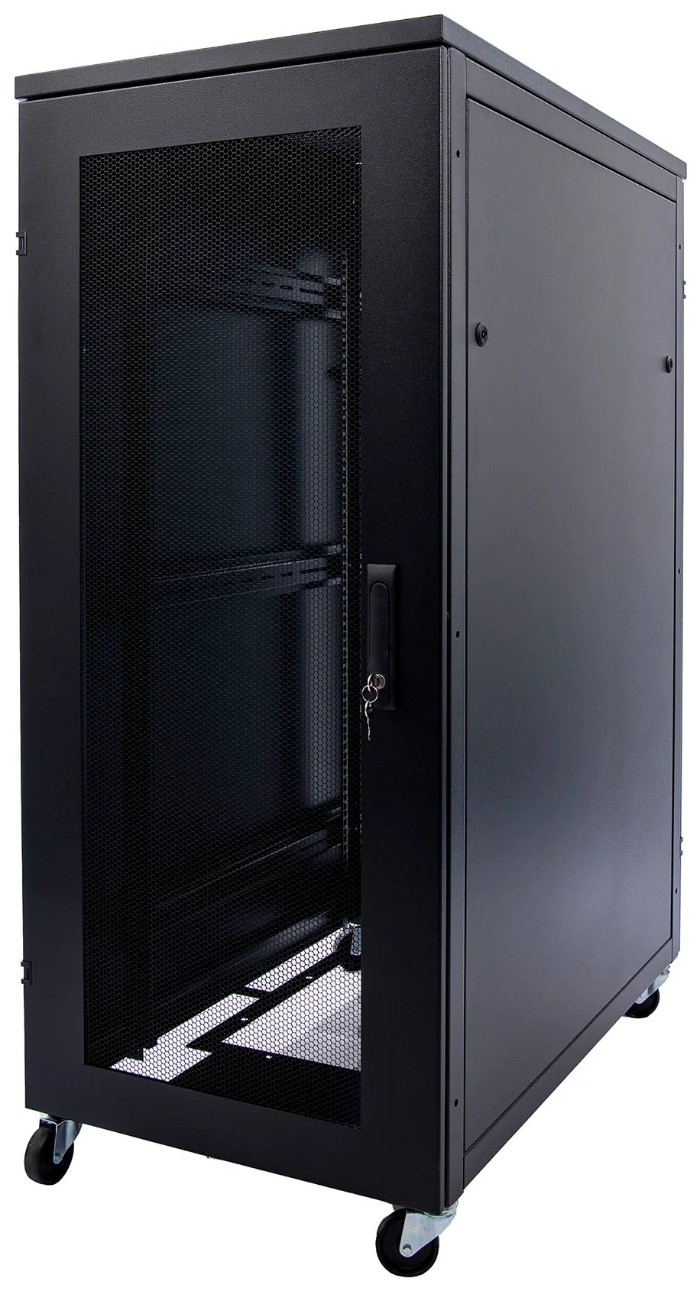
The Hyperion X-series systems
13 pre-engineered models, calculated by the same rules engine used by the configurator. Pricing is supplied by formal quotation.
AxiFoundry
Your first serious AI development node
- 1 node · 96 cores · 384 GB DDR5
- 1 x GPU · 24 GB VRAM
- 12U Orion NSR rack, fully integrated
AxiRelay
Serving density: four accelerators, one quiet node
- 1 node · 96 cores · 768 GB DDR5
- 4 x GPU · 96 GB VRAM
- 15U Orion NSR rack, fully integrated
AxiAnvil
One very large VRAM pool for very large models
- 1 node · 96 cores · 768 GB DDR5
- 1 x GPU · 96 GB VRAM
- 9U Orion NSR rack, fully integrated
AxiForge
Workstation-class AI power in a single server
- 1 node · 96 cores · 768 GB DDR5
- 2 x GPU · 192 GB VRAM
- 15U Orion NSR rack, fully integrated
AxiForge Max
Maximum acceleration, one node
- 1 node · 128 cores · 1152 GB DDR5
- 4 x GPU · 384 GB VRAM
- 15U Orion NSR rack, fully integrated
AxiKeystone
Memory- and core-dense compute in one node
- 1 node · 128 cores · 1152 GB DDR5
- 1 x GPU · 24 GB VRAM
- 15U Orion NSR rack, fully integrated
AxiGovernor
The controls house engineering server
- 1 node · 96 cores · 768 GB DDR5
- 1 x GPU · 48 GB VRAM
- 15U Orion NSR rack, fully integrated
AxiOverseer
Robotics, monitoring and production intelligence on the plant network
- 1 node · 96 cores · 768 GB DDR5
- 2 x GPU · 96 GB VRAM
- 15U Orion NSR rack, fully integrated
AxiVector
Core-dense HPC with an RDMA interconnect
- 2 nodes · 256 cores · 2304 GB DDR5
- 2 x GPU · 192 GB VRAM
- 18U Orion NSR rack, fully integrated
AxiLattice
A departmental HPC facility in one rack
- 3 nodes · 384 cores · 3456 GB DDR5
- 3 x GPU · 72 GB VRAM
- 27U Orion NSR rack, fully integrated
AxiCrucible
The workgroup AI cluster that grows with the team
- 2 nodes · 192 cores · 1536 GB DDR5
- 4 x GPU · 384 GB VRAM
- 21U Orion NSR rack, fully integrated
AxiBastion
Departmental HPC with a dedicated storage fabric
- 3 nodes · 384 cores · 3456 GB DDR5
- 12 x GPU · 1152 GB VRAM
- 27U Orion NSR rack, fully integrated
AxiTitan
The flagship: maximum Hyperion, fully provisioned
- 4 nodes · 512 cores · 4608 GB DDR5
- 16 x GPU · 1536 GB VRAM
- 27U Orion NSR rack, fully integrated
Hyperion X1140 AxiFoundry
Your first serious AI development node
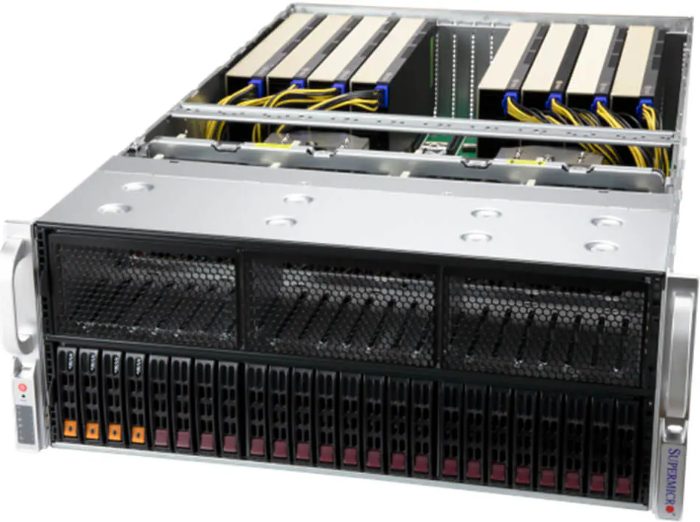
AxiFoundry is the entry point to the Hyperion range: a single 4U EPYC node with a professional Blackwell GPU, 384 GB of 12-channel DDR5 and enterprise remote management. It runs the same platform, BIOS discipline and management stack as the largest Hyperion cluster, so everything you build on AxiFoundry scales up without rework.
For: Individual developers, research students and proof-of-concept teams
- Model prototyping and fine-tuning on 24 GB VRAM
- CUDA and framework development against production-class hardware
- Departmental compute for engineering simulation trials
An automation toolchain is a mixed workload wearing one badge: compilers and static analysis want cores, virtual PLC runtimes want deterministic scheduling headroom, and a code-assistant LLM wants VRAM. AxiFoundry answers all three at entry price - 96 Zen 5 cores keep whole-project builds and validation sweeps parallel rather than queued, 384 GB across all twelve DDR5-6400 channels holds several machine models and container stacks resident at once, and the 24 GB RTX PRO 4000 serves a structured-text assistant at 140 W, quiet enough for the office end of the plant. Because it is the same SP5 platform as every larger Hyperion, the rig you validate on is the rig you scale.
Early-stage computational biology fails on memory before it fails on FLOPS: alignment indices, k-mer tables and structure-prediction intermediates are large, irregular and latency-sensitive. Populating all twelve memory channels - deliberately, at 384 GB - gives AxiFoundry the full ~614 GB/s of DDR5-6400 bandwidth that eight-DIMM workstations quietly give up, so sequence pipelines and protein-structure trials run at the platform’s real speed. Data stays on the lab’s own Gen5 NVMe, inside the lab’s own walls - the ethics submission writes itself.
Method development is where solver licences and engineer hours are burned, so the economics favour a machine that behaves exactly like production. AxiFoundry is node one of the Hyperion architecture in miniature: identical EPYC microarchitecture, identical NUMA topology, identical Gen5 I/O path. Mesh-sensitivity studies, solver benchmarking and scripting validated here transfer to a AxiVector or AxiLattice cluster without re-tuning - the cheapest performance engineering you will ever buy.
CUDA kernels, serving stacks and agent frameworks behave differently on server silicon than on a desktop card - different PCIe topology, different memory pressure, different thermals under sustained load. AxiFoundry gives a software team production-class Blackwell architecture and 128 lanes of Gen5 to develop against, so profiling done at the desk holds in the rack. What ships to the customer’s Hyperion cluster was built, tested and load-profiled on Hyperion silicon.
Expandable to 2 nodes / 4 GPUs (96 GB VRAM) with infrastructure reserved from day one.
- Compute
- 1 node · 96 cores / 192 threads
- Acceleration
- 1 x RTX PRO 4000 Blackwell · 24 GB VRAM
- Memory
- 384 GB DDR5-6400 (384 GB/node)
- Node storage
- 2 TB Gen5 OS NVMe per node
- Fabric
- Onboard 10GbE networking
- Rack
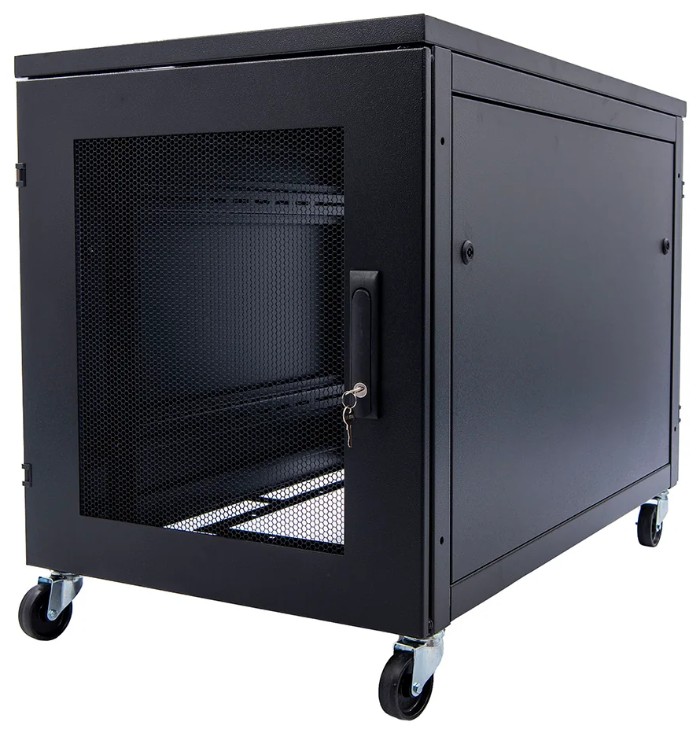
- 12U NSR enclosure · 6U populated
- Power
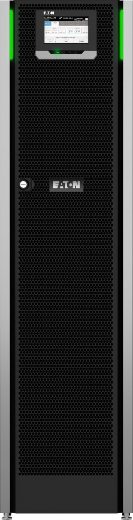
- 1.1 kW load · 93PS 20kW (3:3) UPS
Engineered for your field
Research, laboratory and production compute across the sectors we serve - and the standard systems each one should look at first.
Memory-bound assembly and variant pipelines in research and sequencing-core production, with imaging AI beside the instrument.
Research computing inside the hospital network and clinical AI assistants that keep patient data on site.
From discovery model development to validated production pipelines over confidential compound and trial data.
CFD, FEA and design-of-experiments in production, with surrogate-model AI trained from your own simulation output.
Sovereign AI behind your firewall: serving fleets, large-model tiers and organisation-scale platforms with hybrid cloud gateways.
Build farms, CI matrices and developer AI on production-class silicon: compile in minutes, test in containers, and serve code assistants from your own rack.
The controls engineering estate: PLC and motion software development with automated validation, virtual commissioning and digital-twin machine simulation, and an LLM assistant that never sees the outside of the plant network.
Factory management systems with AI in production: line monitoring and vision inspection, predictive maintenance over machine telemetry, and production analytics the operations team can act on shift by shift.
Perception for machines that move: vision-inspection and pick-point models trained on your own parts, robot-cell simulation before deployment, and serving at the latency a moving line demands - all beside the cells themselves.
The quantitative workstation grown into a server: MATLAB, R, Julia and Python at 96-128 cores, whole datasets held in memory, Monte Carlo and optimisation runs that finish over lunch instead of overnight - on your own hardware, at a fixed cost.
Every model shares the same 4U EPYC + Blackwell platform - start small, scale to sixteen GPUs without rework.
Rack, UPS, PDU, cooling headroom and cabling are sized by the rules engine and delivered as one certified build.
Buy now versus reserved-for-expansion is explicit on every estimate and verified quote - growth is a purchase order, not a redesign.
UK export control, customs and conformity checks run on every configuration before a quote is released.
From selection to running system
Start from a standard system or build custom - every option validated live.
Rack, power, cooling, networking and export compliance resolved by the engine.
A customer-ready pack: pricing, elevations, topology and compliance data.
Installed and integrated, with Hyperion Command and the Remote Service Link.
Not sure which Hyperion fits? Build it your way.
The configurator validates every combination live - compute, storage, networking, KVM, power and compliance - and prepares a validated formal quotation request.
Open the configurator